
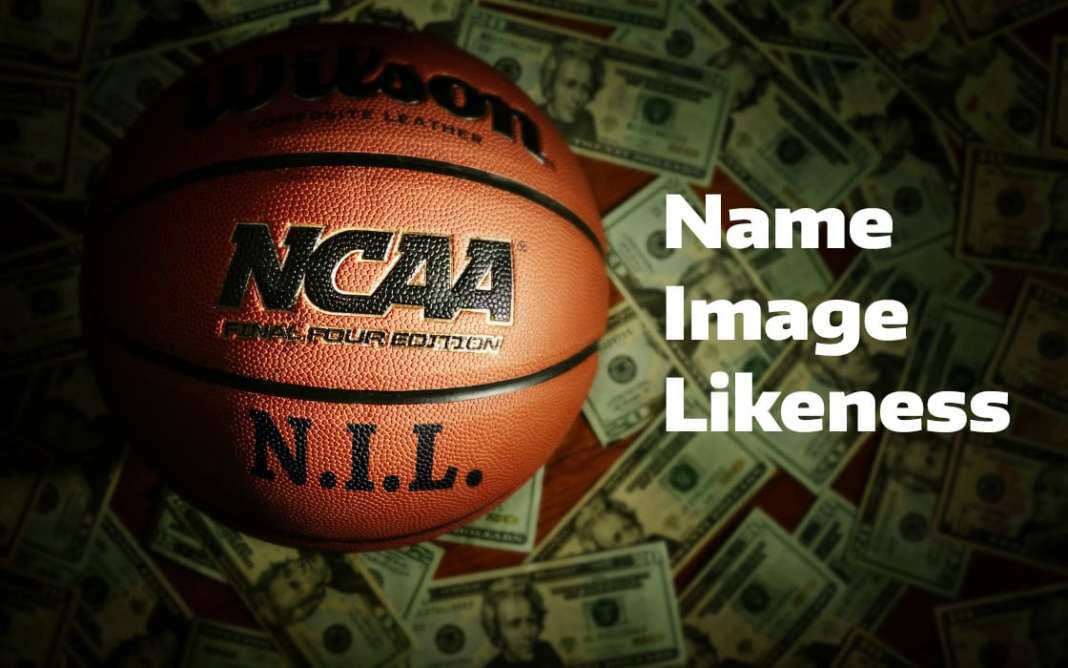

NIL has reshaped college football as we know it—and it’s not going anywhere. For years, athletes and others have questioned why players weren’t being compensated, even as football programs generated millions in revenue off their performance and image. That all changed on July 1, 2021, when the NCAA announced that student-athletes could begin profiting from their name, image, and likeness (NIL).
It was a watershed moment in college sports—ushering in a new era. Nowhere has the impact of NIL been more transformative than in college football. Once defined by amateurism, tradition, and institutional control, the sport has undergone a fundamental shift—one that empowers players like never before and challenges the very framework that once defined the game. For decades, college football players helped generate billions of dollars through television contracts, merchandising, ticket sales, and sponsorships.
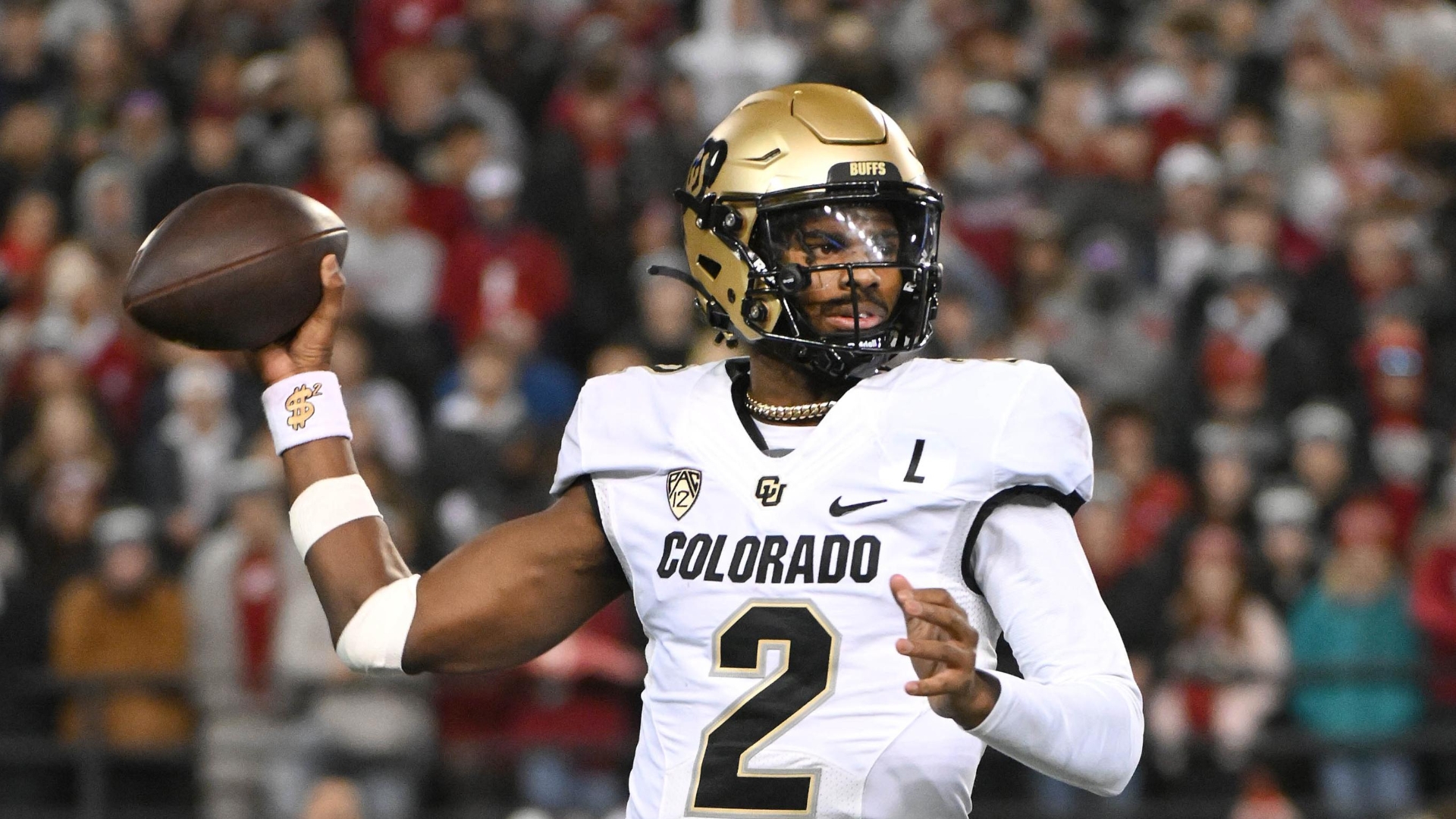
Photo Cred: ESPN
Yet despite being the driving force behind the product, they received no share of that wealth beyond scholarships and modest stipends. NIL has completely flipped that dynamic. Now, athletes can sign endorsement deals, appear in commercials, host training camps, monetize their social media platforms, and profit from autographs. It’s a game-changer—giving student-athletes financial agency while still in college. This newfound freedom is influencing how players approach their futures, both on and off the field.
One of the most controversial aspects of NIL is its effect on recruiting. While schools are technically prohibited from using NIL as a direct incentive during the recruitment process, in practice, it has become a critical factor in determining where elite talent commits. Third-party organizations—often led by boosters—have emerged to pool funds and organize NIL deals for players at specific institutions. These collectives operate as unofficial arms of athletic departments, offering substantial financial packages to attract both top high school prospects and transfers.
The result is a college football landscape increasingly driven by financial horsepower. Traditional blue-bloods like Alabama, Georgia, and Ohio State remain dominant forces. However, programs backed by wealthy collectives—such as Texas A&M and Miami—have entered the conversation with new energy and recruiting success. The recruiting process has shifted dramatically—from campus tours and coaching philosophies to boardroom-level business discussions. Today, players and their families are evaluating schools not just on athletics or academics, but on marketing potential and NIL infrastructure.
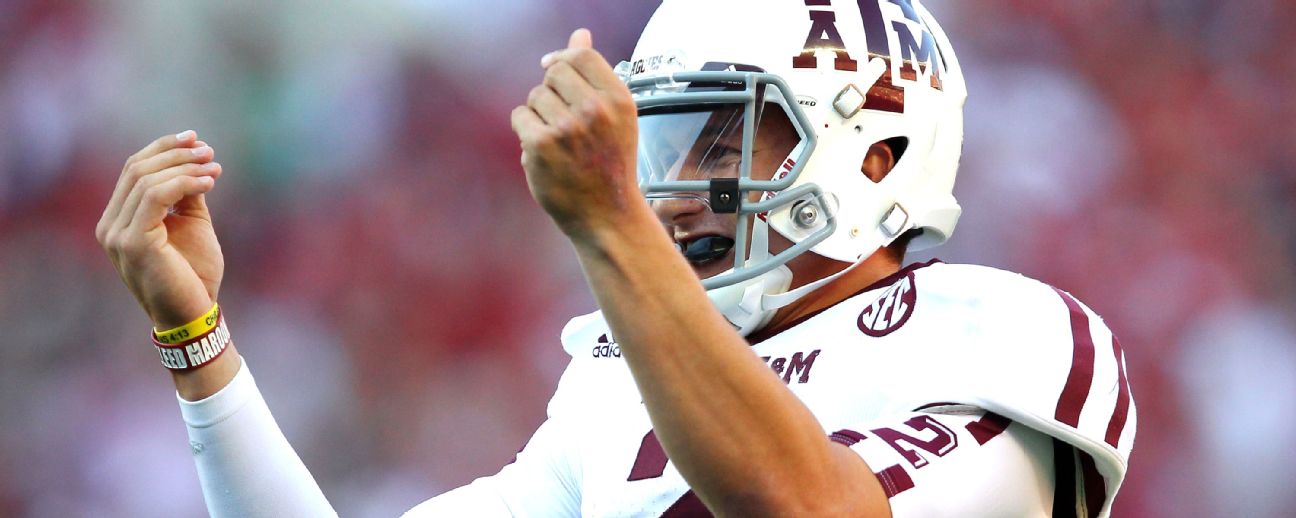
Photo Cred: ESPN
Perhaps the most far-reaching impact NIL has had on college football is its interplay with the transfer portal. The portal has evolved into the sport’s version of NFL free agency. Players can now transfer between programs without sitting out a year, and many take advantage of that flexibility to secure more playing time—or more lucrative NIL opportunities. This has led to a level of roster turnover that’s unprecedented. Star players can leave programs with ease, and coaches must now focus not only on attracting new talent but also on retaining their current roster—essentially recruiting their own team year after year.
In some instances, athletes have transferred multiple times, using their growing résumés to negotiate better NIL deals at new schools. This has disrupted the traditional model of roster continuity and player development. Maintaining team stability and building championship-caliber rosters has become a greater challenge than ever before.
There’s no reversing the course. NIL has permanently altered the world of college football. It has empowered student-athletes, redefined recruiting, and introduced a new financial ecosystem to the sport. While many view it as long-overdue progress toward fairness and equity, others fear that the soul of college football—the passion, the pageantry, the purity of the game—is slipping away in the process. Regardless of where you stand, one thing is clear: college football will never be the same.