





This year, the NHL took a fresh approach to the All-Star break by replacing the typical game with a tournament featuring four countries: the USA, Canada, Finland, and Sweden. The tournament, which ran from February 12th to 20th, had a round-robin format, with the top two teams advancing to the championship. The first four games were held in Montreal, while the final three, including the championship, took place in Boston. From the start, the intensity of the tournament was evident, with players showing passion and pride as they represented their countries.

Photo Cred: NHL
The opening game between Canada and Sweden went into overtime, setting the tone for the competition. Canada won 4-3. In their opening game, the USA defeated Finland 6-1, setting up an eagerly awaited matchup with Canada. The game was held in Canada, and tensions ran high due to political differences between the two countries. Fans in the stands booed during the U.S. national anthem, prompting Team USA to respond by initiating three fights within the first nine seconds of the game, orchestrated through group chats before the match.
The fights, led by the Tkachuk brothers and JT Miller, were seen as a reaction to the anthem protest. This tournament clearly wasn’t your typical All-Star event. Players weren’t just going through the motions as in other leagues’ All-Star games—they played with pride and intensity. In the Canada-USA game, Canada scored early, but the U.S. responded with three straight goals to win 3-1, securing a spot in the championship. Canada then defeated Finland 5-3 to set up a rematch with the U.S.
The championship game drew significant attention, with the U.S. team rallying behind the “Miracle on Ice” spirit. The game became the most-watched non-NFL event on ESPN+, with about 16 million viewers across North America. In a thrilling overtime finish, Canada won the championship 3-2. While the U.S. came up short, the tournament was a massive win for the sport of hockey, drawing in new viewers and boosting interest in international hockey.
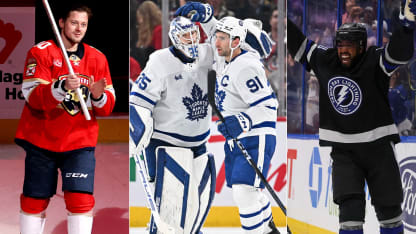
Photo Cred: NHL
The success of the event paved the way for more international competitions, including NHL participation in the 2026 Winter Olympics and the return of the World Cup of Hockey in 2028. This unique twist on the All-Star game was a success, especially when compared to the NBA’s All-Star weekend, which received mostly negative feedback for its lack of competition. Three of the tournament’s seven games went to overtime, while the NBA featured little defense and a lack of intensity.
The NHL is still unsure if the Four Nations Face-Off will replace the traditional All-Star weekend, but the tournament’s immediate success has given the league much to consider. With international events like the Olympics and World Cup of Hockey on the horizon, the NHL will need to plan its scheduling carefully to avoid overlap. The league is thrilled by the tournament’s success and hopes to maintain the hype around hockey in the years to come.