





Major League Baseball announced that it will take a significant step by implementing an automated ball-strike (ABS) challenge system during this year’s spring training. About 60% of spring training games, spanning 13 of the 23 Cactus and Grapefruit League ballparks, will use this new system to test its effectiveness at this level of baseball. The system utilizes Hawk-Eye Technology, which deploys multiple cameras around the stadium to track the location and path of each pitch.
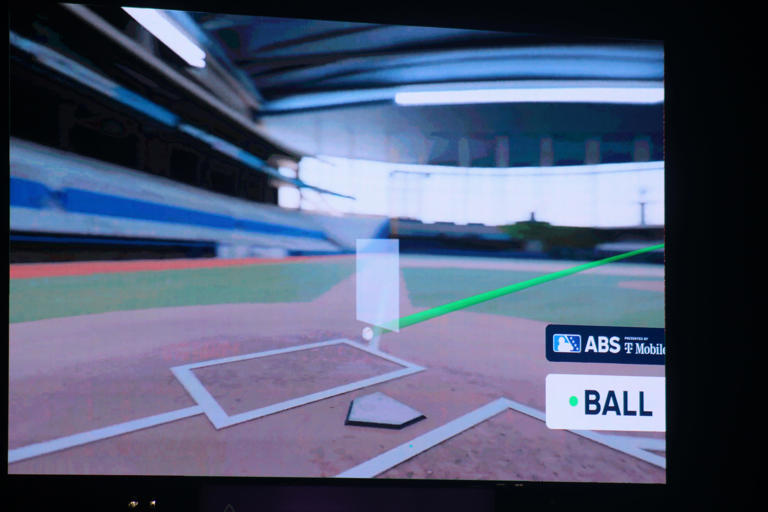
Photo Cred: Clayton Freeman/Florida Times-Union
This data is then processed to determine whether a pitch is a ball or a strike. The new system allows players, specifically batters and pitchers, to challenge home plate umpires’ calls on balls and strikes. Each team will be granted two challenges per game, retaining their challenge if successful or losing one of their two if unsuccessful. The ABS system has already been tested at the minor league level, yielding positive results.
However, one of the primary concerns is the potential increase in game time. Over the years, the league has worked to shorten game durations, using technology like the pitch clock and limiting mound visits. According to trials in Minor League Baseball, challenges have not led to significant increases in game time, with challenges typically being resolved in about 17 seconds on average.
As the use of technology in sports becomes more common, the ABS challenge system could be fully implemented in regular season games within the next few seasons. However, the league has not announced any plans for such a move, as it is currently a test run during spring training. While the system has its benefits, some people are wary about its impact on the game, particularly for umpires and catchers. Fans like Jack Corrado have mixed feelings.

Photo Cred: Sporting News
“I like the idea but think there should be limitations so the league doesn’t become overly reliant on it,” said Corrado. “And so it doesn’t take away the importance of umpires and pitch framing.”
On the other hand, fans like Jake Kleiman see several potential benefits to the new system, particularly when it comes to improving overall fan satisfaction with calls made during games. Kleiman believes that one of the most significant advantages would be the reduction of complaints from fans about bad or controversial calls, which can often lead to frustration and confusion. By introducing a more accurate and reliable system, he feels that both fans and players could have more confidence in the fairness of the game.
“I like it. It would end complaints from fans about bad calls,” Kleiman said. “I think it’s also good to try it in spring training because if it doesn’t work well, then you don’t have to use it in the regular season.”
Ultimately, the goal of introducing this automated ball-strike challenge system is to significantly improve the accuracy and consistency of strike zone calls, which have long been a point of contention in the game. By relying on advanced technology, the system aims to reduce human error and the inconsistencies that can arise from the subjective nature of umpire decisions, which can sometimes impact the outcome of a game. In addition to enhancing the precision of calls, the system is also expected to bring an added layer of strategy into the game.