



Spring training is underway, and players are already expressing dissatisfaction with the new jerseys and pants. Following the MLB’s longstanding contract with Majestic, which had been producing MLB jerseys since 1982, ending in 2019, a new agreement was struck, granting Nike the rights to manufacture jerseys for all 30 MLB teams for over $1 billion. This partnership, along with retailer Fanatics, marked a significant shift in jersey production. The introduction of these new jerseys occurred in 2019 at the press conference for the newly signed Garrett Cole with the New York Yankees.
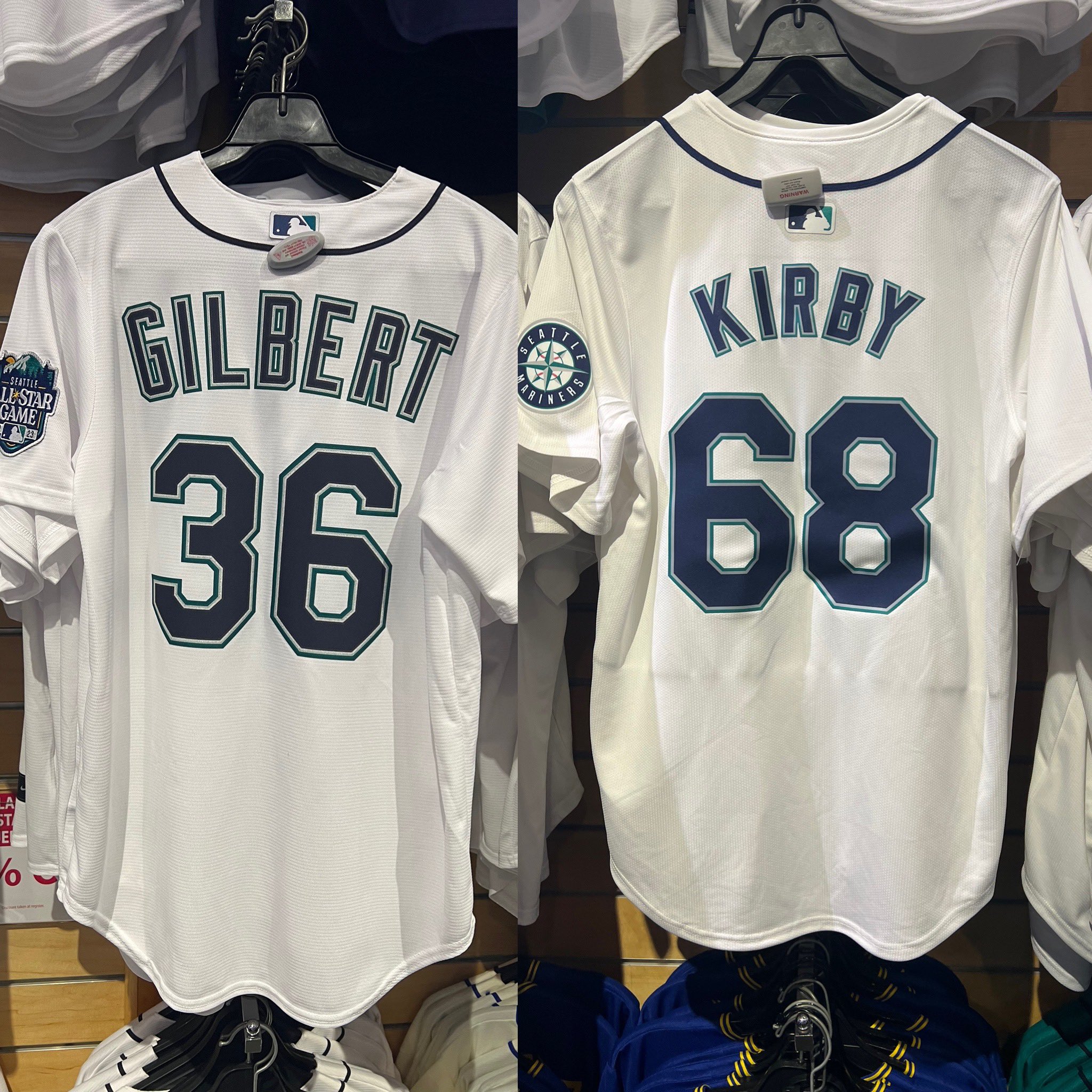
Photo Cred: Bobby Mullins on X
The primary point of contention was the placement of the Nike logo on the front of the jersey, a departure from Majestic’s practice of placing their logo discreetly on the sleeve. This marked the first instance of a logo being prominently displayed on the front of an MLB jersey, as Majestic had traditionally placed theirs subtly on the sleeve. This alteration signaled the beginning of changes by Nike and Fanatics that would provoke backlash from both players and fans alike. While the jerseys remained largely unchanged for a couple of years, the next significant alteration drew even more ire.
Starting in the 2023 season, MLB teams were permitted to sell advertising space on the sides of their jerseys, resulting in large corporate logos being added. While not all teams took advantage of this opportunity, those that did faced criticism from fans. MLB Commissioner Rob Manfred characterized this move as “the reality of life in professional sports” to the Baseball Writers’ Association. Despite initial discontent, many viewed these as minor changes that could be overcome with time. However, the unveiling of the newest jerseys during the 2023 All-Star Game ignited further controversy.

Photo UNI Watch
Nike showcased their latest design, the Nike Vapor Premier, touted for its lightweight material and improved performance features. Fans immediately criticized the alterations, particularly the resizing and arrangement of lettering on the front and back, which some likened to “amateurish” or “replica-like.” Another point of contention was the change in pants color from white to a more translucent hue, causing discomfort among players.
The issues became apparent during the press conference for newly acquired Dodger Shohei Ohtani, where observers noted a split in the Dodgers logo on the front of the jersey, a departure from tradition. This change exacerbated concerns about the overall quality and fit of the jerseys. The standard pricing for MLB replica jerseys saw a significant increase, now priced at $175, with on-field versions reaching $400. Players voiced dissatisfaction with the pricing, noting perceived lower quality and the switch from stitched patches to pressed ones. Furthermore, the new jerseys were not individually fitted, leading to complaints about sizing and style.

Photo Cred: MLB
As Spring Training progressed, further problems emerged, this time concerning the pants. Videos posted by teams like the Seattle Mariners showcased see-through pants, causing discomfort and raising questions about durability. Additionally, delays in supplying pants to teams added to the frustration. MLB Players Association’s executive director Tony Clark has been visiting camps during Spring Training, gathering feedback from players in hopes of resolving these issues before the start of the season.